Your first ham radio: handhelds, mobiles and antennas
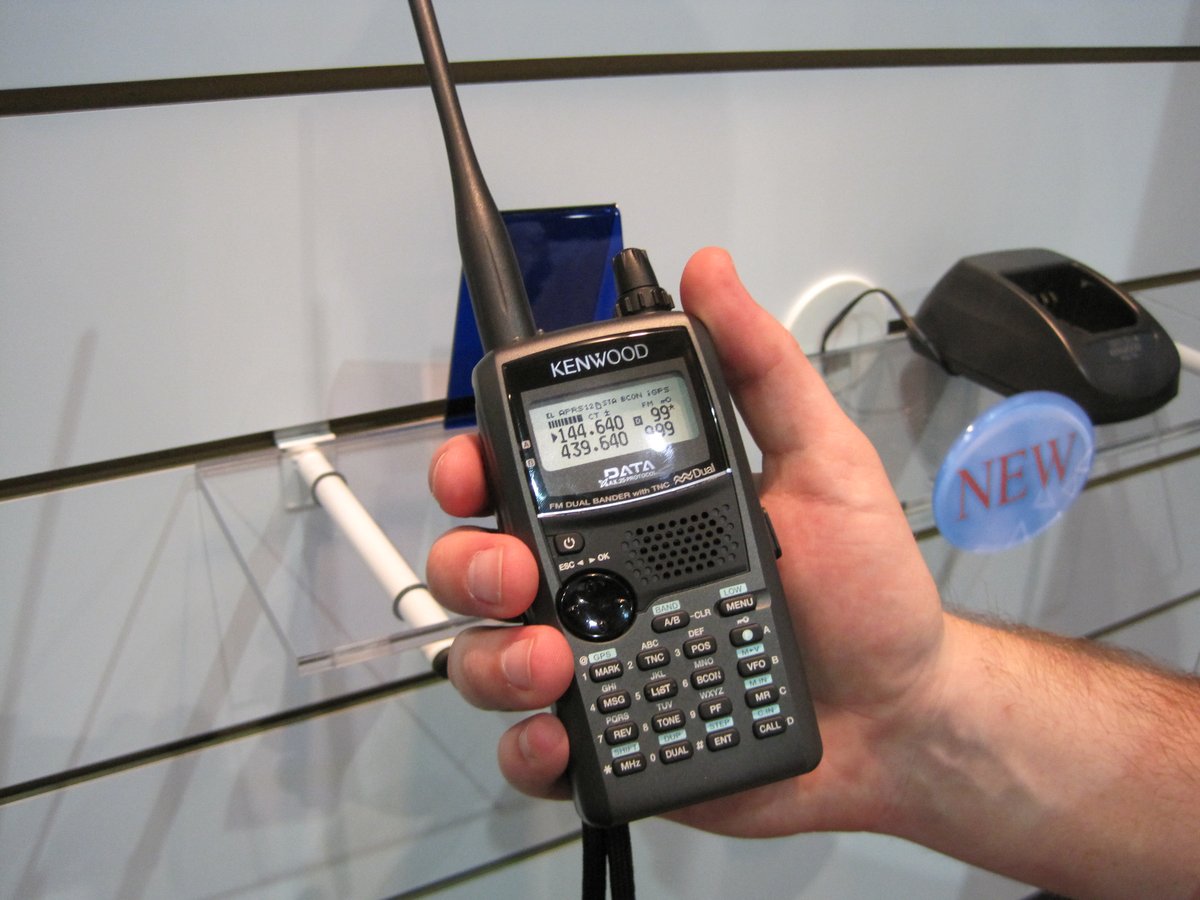
A Technician licence opens 2 metres and 70 centimetres, and every radio here works there. The first one should be cheap enough to learn on or good enough to keep; the second is a mobile with a real antenna. Five handhelds, a mobile and supply, antennas, and the small things that make the first week go well.
What the words mean
Four things decide which radio to buy. The handheld guide goes through them; this is the short version.
2 m and 70 cm
Bands
The two VHF/UHF bands a Technician uses most, 144–148 and 420–450 MHz. Every handheld here covers both; the repeaters in your town are on one or the other.
5 W handheld, 50 W mobile
Power
Five watts from a handheld reaches a repeater across a city; fifty from a mobile reaches the next one. The antenna matters more than the number.
FM, DMR, D-STAR, Fusion
Modes
Analog FM is what every repeater speaks. DMR and the maker-specific digital modes add clearer audio and worldwide linking, and a setup evening. Start with FM.
Part 97, Part 90, Part 95
Certification
Which rule part a radio is certified under decides where it may legally transmit. Ham radios need no certification for the ham bands and are not legal on GMRS or FRS, whatever the menu allows.
Quick picks
The short answer for common situations. Each links to the full card below.
A 15-inch whip in place of the stock stub, bought from the one listing that is the real thing.
Compare the sixteen
Bands, power and battery from each maker's page where it publishes them, otherwise from the listing, and the card says which. The last column is what the radio is certified to transmit on: a ham handheld is legal on the ham bands only, however many frequencies it can tune.
Product links on this page go to Amazon. If you buy through them, Your First Radio earns a commission. How we pick and earn
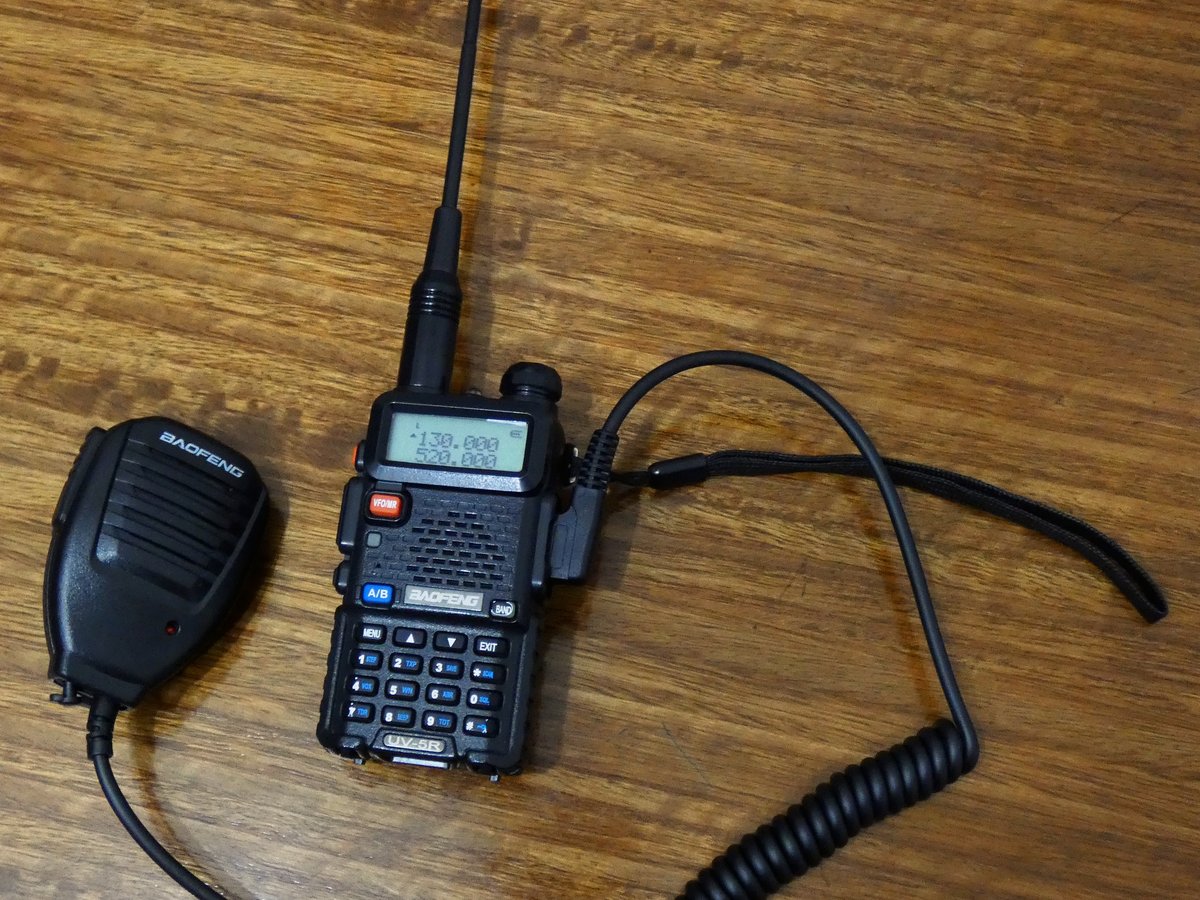
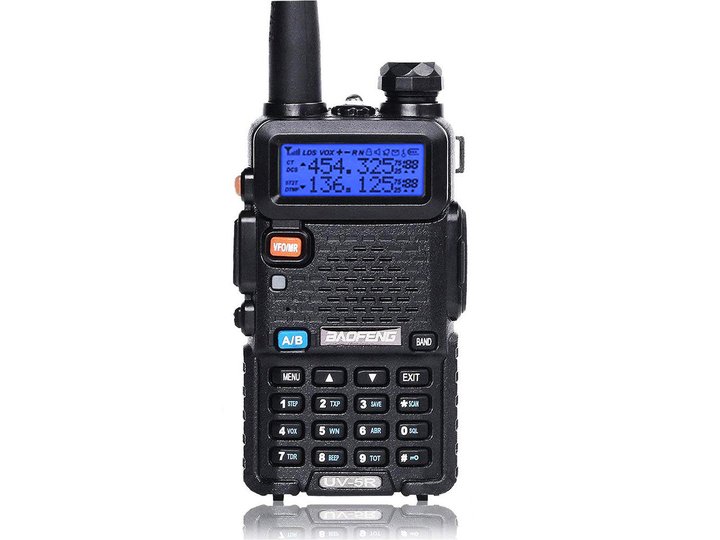
The handheld most new hams start on: 2 m and 70 cm FM, 128 channels, a desk cradle, and a price that makes it a study aid rather than a commitment. Programmed from a computer with CHIRP and a cable.
Bands
136–174 / 400–520 MHz (ham use: 2 m, 70 cm)
Power
4–5 W / 1 W (maker figures differ)
Channels
128
Battery
7.4 V, 1,500–1,800 mAh Li-ion
Charging
Desk cradle
Certification
Amateur use; not Part 95 (no GMRS/FRS)
Suits: Studying for the Technician and listening to the local repeater before the licence arrives. Buy it, learn on it, and decide later whether you want a better one.
Weigh: It transmits far outside the ham bands, which is on you to avoid, and its receiver is easily overloaded near strong signals. Baofeng and BTECH publish different power (4 W vs 5 W) and battery figures (1,500 to 1,800 mAh) for the same radio, so treat both as approximate. Not certified for GMRS or FRS. The "8W" listings under this name are a different radio sold as a bundle.
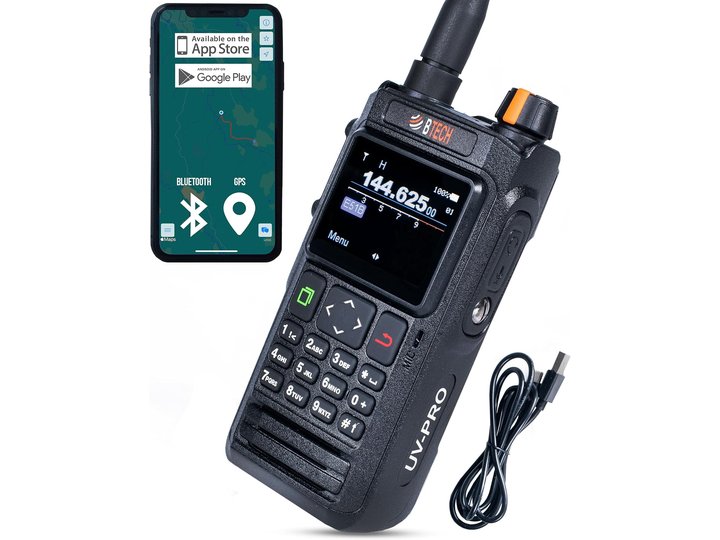
A modern dual-band handheld set up from a phone app: GPS and APRS position reporting, Bluetooth audio and a built-in TNC, airband and NOAA receive, USB-C charging, and an IP67 case. Part 90 certified alongside its amateur use.
Bands
136–174 / 400–520 MHz TX; 108–136 MHz AM air RX
Power
Up to 7 W peak
Channels
180 (6 banks × 30)
Battery
2,600 mAh removable, USB-C
Rating
IP67, 11 oz
Certification
FCC Part 90 + amateur; not Part 95E
Suits: The first radio for someone who wants position reporting and a phone-based setup rather than a menu of numbered settings.
Weigh: The "up to 7 W peak" figure is a peak, not a continuous rating. No charging cradle, app-centric programming, and the maker states it is not certified for GMRS transmission. This listing is the tan version; the black one is a separate listing.
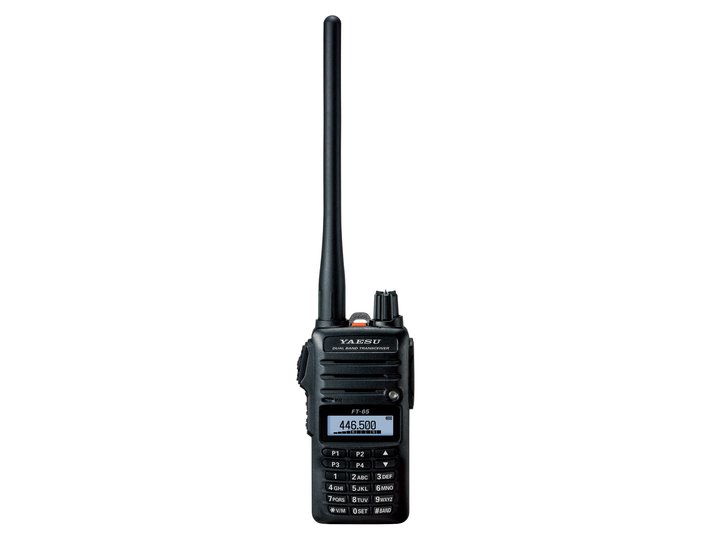
A plain, tough 5-watt dual-band handheld from one of the three big amateur makers: 1,950 mAh battery, a loud 1 W speaker, IP54 splash rating, weather alert, and a three-year warranty.
Power
5 / 2.5 / 0.5 W
Battery
1,950 mAh SBR-25LI, 3.5 h rapid cradle
Audio
1 W speaker
Rating
IP54; 2.1 × 4.1 × 1.2 in (listing)
Extras
Weather alert, FM broadcast receive
Warranty
3 years
Suits: The first "real" handheld: a beginner who wants a radio built for the ham bands by a company that will still answer the phone in three years.
Weigh: No USB charging, only the cradle; 200 memories; keypad programming is slow, and the SCU-59 programming cable is a separate purchase. Yaesu does not publish the transmit range on its page.
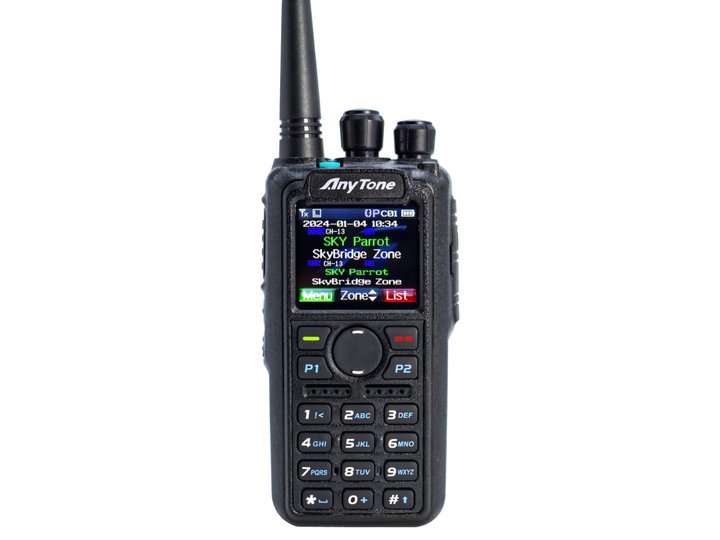
The digital handheld most DMR hams carry: DMR and analog FM on 2 m and 70 cm, GPS and APRS, Bluetooth, a 3,100 mAh USB-C battery and a colour screen, Part 90 certified.
Bands
136–174 / 406–480 MHz
Power
7 W VHF / 6 W UHF peak (listing)
Modes
DMR Tier I/II, analog FM
Battery
3,100 mAh, USB-C (listing)
Screen
1.77 in colour; 0.6 lb
Certification
FCC Part 90 (listing); not Part 95E
Suits: A beginner whose local club runs a DMR repeater or talkgroup, and who is ready to learn a codeplug.
Weigh: DMR means building a codeplug in the Windows programming software before the radio does anything useful; that is an evening, not a minute. Most specs beyond the screen and weight come from the listing rather than the distributor's page. Not Part 95E.
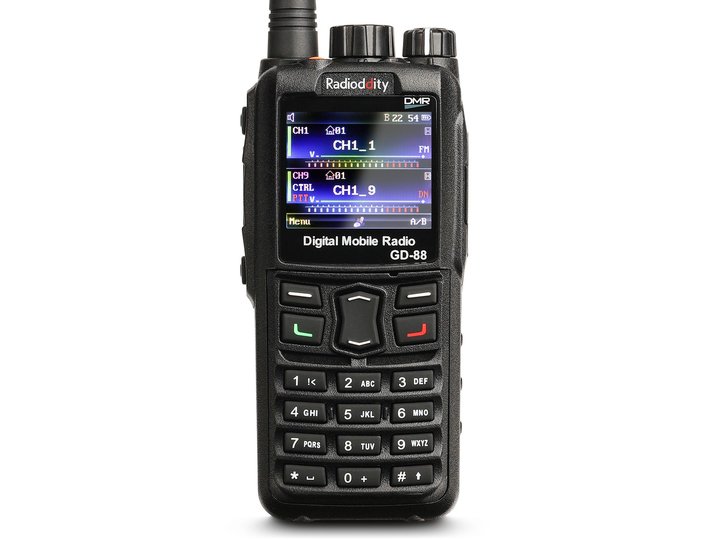
DMR and analog on both bands at about half the AnyTone's price: 7 W, 4,000 channels, GPS and APRS, a 3,000 mAh battery and a 2-inch screen, IP54.
Bands
136–174 / 400–480 MHz
Power
7 W / 2.5 W
Channels
Up to 4,000; 300,000 contacts
Battery
3,000 mAh, desk charger
Rating
IP54; 330 g; 2 in TFT
Certification
FCC ID 2AN62-GD88 (Part 90); not Part 95E
Suits: Trying DMR without the AnyTone budget.
Weigh: Charges on a desk charger; the maker does not state USB charging. It has a cross-band repeat function that is easy to switch on and a licensing problem to use without understanding it. Stock on the listing was thin on the check date.
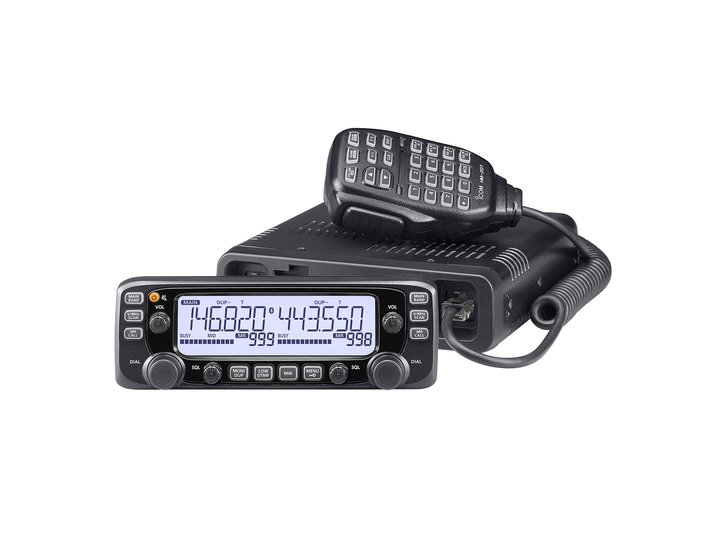
A 50-watt dual-band mobile with a detachable control head, 1,052 memories and wide receive, from a maker whose manuals are written in plain English. The radio for the truck, or for a desk with a power supply and a roof antenna.
TX
144–148 / 430–450 MHz
RX
118–174 / 375–550 MHz
Power
50 / 15 / 5 W
Memories
1,052
Current
13 A at 13.8 V on transmit
Size
150 × 40 × 151 mm; 1.2 kg + 140 g head
Suits: The second radio: the step from a handheld to real range at home or on the road.
Weigh: Draws 13 A on transmit, so it needs a proper power supply or a direct battery connection, and a 50 W radio into a handheld antenna is a waste. Separation cable and mount are extra.
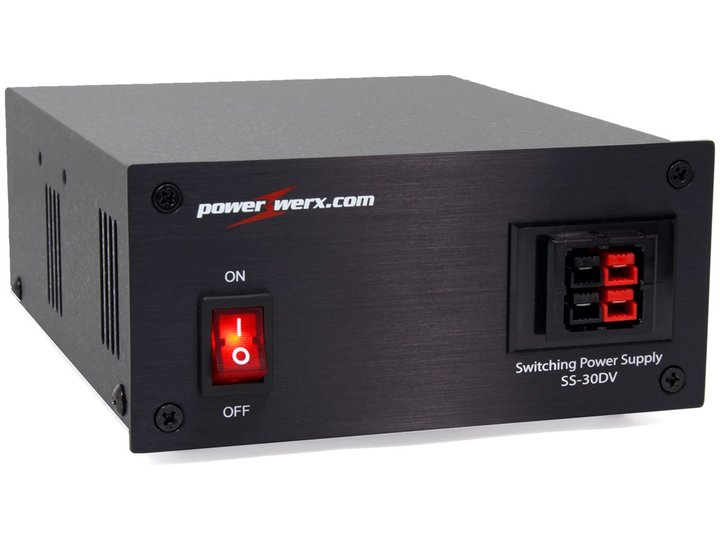
The desk power supply hams reach for: 25 A continuous, 30 A surge, Powerpole connectors on the front and binding posts on the back, three pounds.
Output
25 A continuous, 30 A surge (5 min) at 14.1 V
Connectors
Front Powerpoles, rear binding posts
Input
100–120 / 200–240 V AC
Size
6.1 × 5 × 2.5 in; 3.0 lb (listing)
Suits: Running a 50 W mobile at home.
Weigh: Powerwerx's own site blocks automated readers, so these figures are from the listing. A switching supply can put a little noise on HF receivers; not an issue for VHF/UHF.
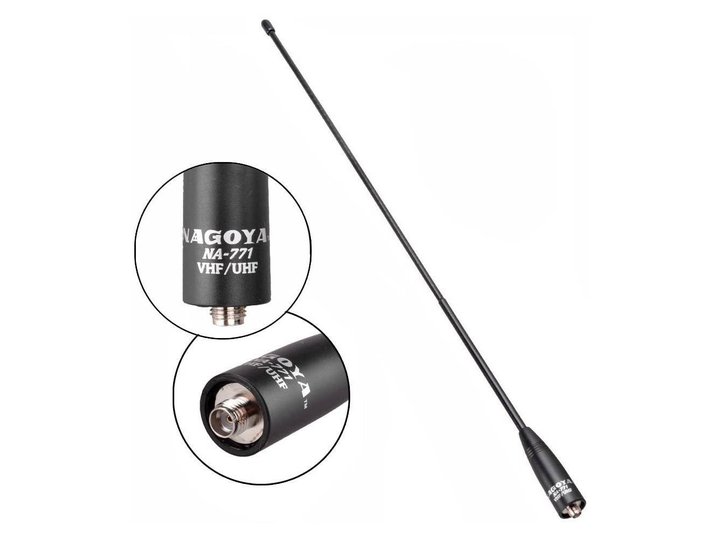
The 15.6-inch dual-band whip that replaces the stock stub on a Baofeng-type handheld, and the most copied antenna in the hobby. This listing is the one sold through BTECH, Nagoya's US partner, with its authenticity statement.
Bands
144 / 430 MHz
Length
15.6 in (39.6 cm)
Gain
2.15–3 dBi (maker)
Connector
SMA-female; 10 W max
Weight
1.41 oz
Suits: The first upgrade to any handheld with an SMA-female socket (Baofeng, BTECH, Radioddity).
Weigh: Counterfeits outnumber the real thing on Amazon; buy only a listing that names BTECH. Yaesu and Wouxun handhelds take the SMA-male version, a separate listing. The gain figure is the dipole-equivalent, not a real gain.
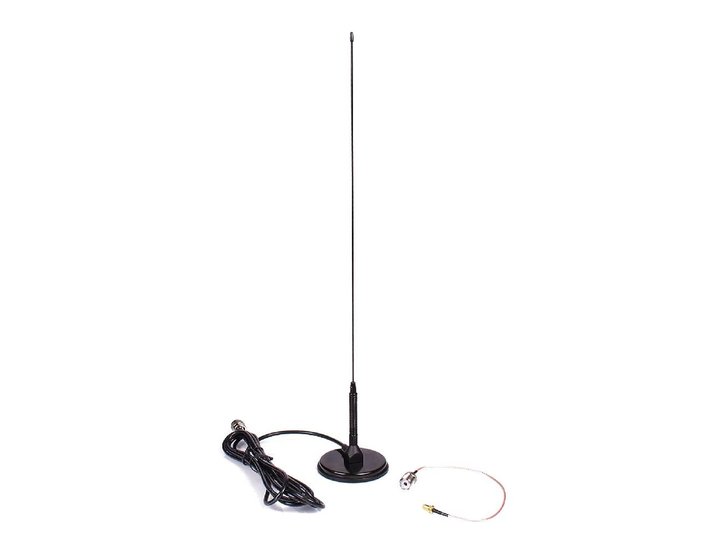
A 20-inch dual-band whip on a 3.25-inch magnet with 13 feet of coax and an adapter for a handheld's SMA socket: the lowest-cost real improvement to a handheld in a car.
Bands
144 / 430 MHz
Length
20.27 in
Gain
1.7–3.5 dBi (maker)
Cable
13 ft RG-58A/U, PL-259 + SO-239-to-SMA-F adapter
Power
80 W; VSWR ≤ 1.5
Magnet
3.25 in
Suits: Using a handheld from the car, and the first antenna for a mobile radio.
Weigh: Needs a steel roof under the magnet as a ground plane; it won't work on aluminium or fibreglass. Rated 80 W, which covers any mobile here.
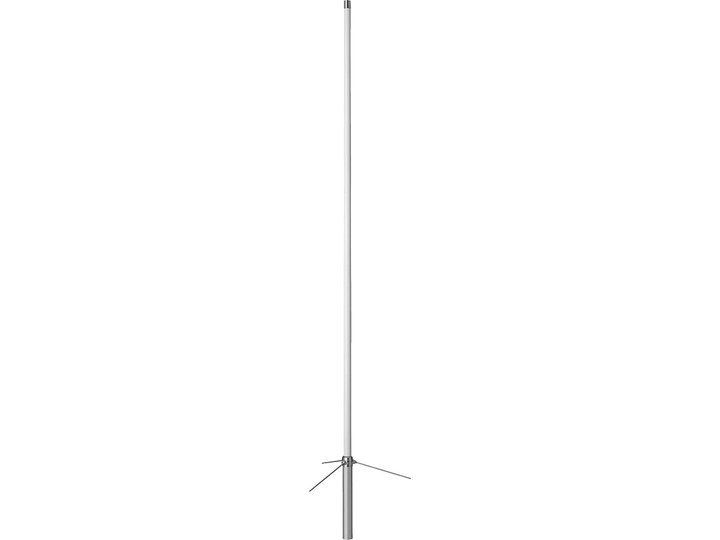
The standard first base antenna: a 5.6-foot fibreglass dual-band vertical rated to 200 W and 135 mph winds, with an SO-239 at the bottom for ordinary coax.
Bands
2 m / 70 cm
Gain
4.5 (2 m) / 7.2 (70 cm), maker's "dB"
Power
200 W
Length
5.6 ft fibreglass
Wind
135 mph
Connector
SO-239
Suits: A mobile radio used at home, on a mast, a chimney mount or an eave bracket.
Weigh: Diamond prints its gain as bare "dB" with no reference, so compare its 4.5/7.2 figures only with other Diamond antennas. Amazon adds a VSWR figure the maker's page doesn't publish. Needs coax and a mount, bought separately.
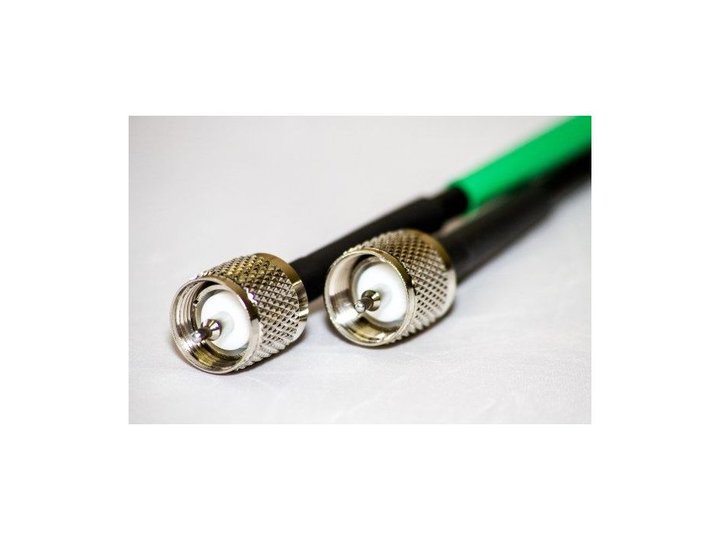
Fifty feet of RG-8X with PL-259 connectors on both ends, the thin, flexible coax that runs from a base antenna to a radio over short distances.
Type
RG-8X, 17 AWG copper centre (listing)
Length
50 ft
Connectors
PL-259 both ends
Suits: A base antenna within about 50 feet of the radio.
Weigh: RG-8X loses more signal per foot than LMR-400, which matters on 70 cm over long runs; keep it short. The listing rates the connectors "up to 300 MHz", which undercuts 70 cm use; the cable itself is fine there and the figure is likely conservative, but we flag it.
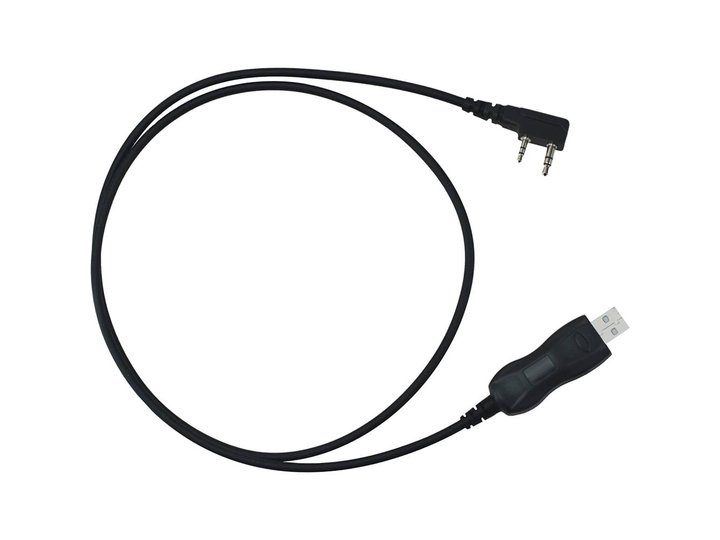
The programming cable that works the first time: a genuine FTDI chip, so Windows and macOS find it without the driver fight, with the two-pin Kenwood-style plug that fits Baofeng, BTECH and Radioddity handhelds.
Chip
Genuine FTDI FT232RL
Plug
Kenwood K1 two-pin
USB
USB-A
Software
CHIRP, maker software
Suits: Anyone programming a Baofeng-type handheld with CHIRP.
Weigh: The cheap cables use a counterfeit Prolific chip and need the "driver hack" every forum describes; this one doesn't. A USB-C version is a separate listing.
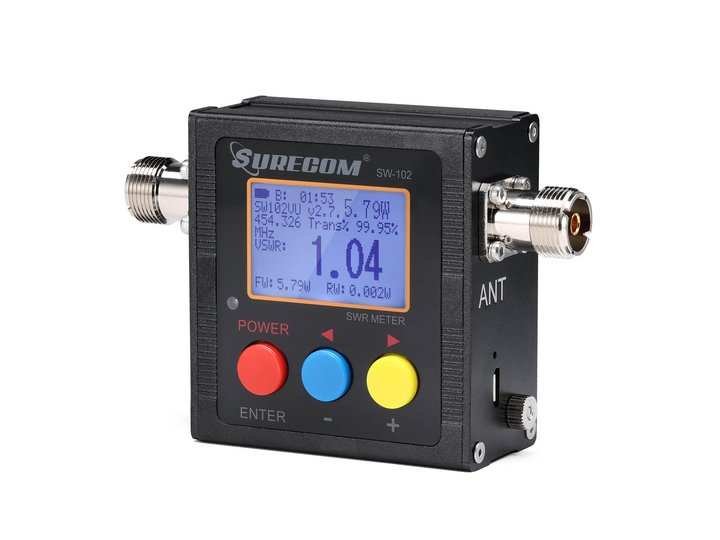
A small digital meter that sits between the radio and the antenna and shows forward power, reflected power and SWR: the tool that tells you whether a new antenna is working before you transmit through it for an hour.
Range
125–525 MHz
Reads
Forward, reflected, VSWR
Insertion loss
≤ 0.3 dB (listing)
Connectors
SMA
Suits: Checking a magnet mount or base antenna install. The first test instrument most hams buy.
Weigh: Analog FM only; it doesn't read DMR correctly. No maker page, so the specs are the listing's. SMA connectors on this version; the SW-102S has SO-239s.
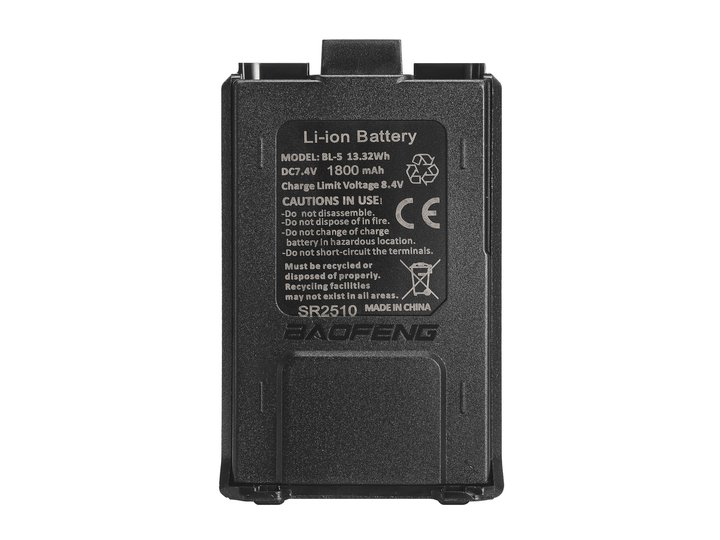
A replacement UV-5R battery with a USB-C port on the pack, so the radio charges from any phone charger or a power bank and the cradle stays at home.
Capacity
1,500 mAh, 7.4 V
Charging
USB-C on the pack, or the cradle
Fits
UV-5R, BF-F8HP, UV-5X3
Suits: Every UV-5R owner, and a go-bag.
Weigh: Fits the UV-5R family (UV-5R, BF-F8HP, UV-5X3); the newer "5RM" radios take a different pack. A 3,800 mAh version exists if you want a longer day at the cost of a taller radio.
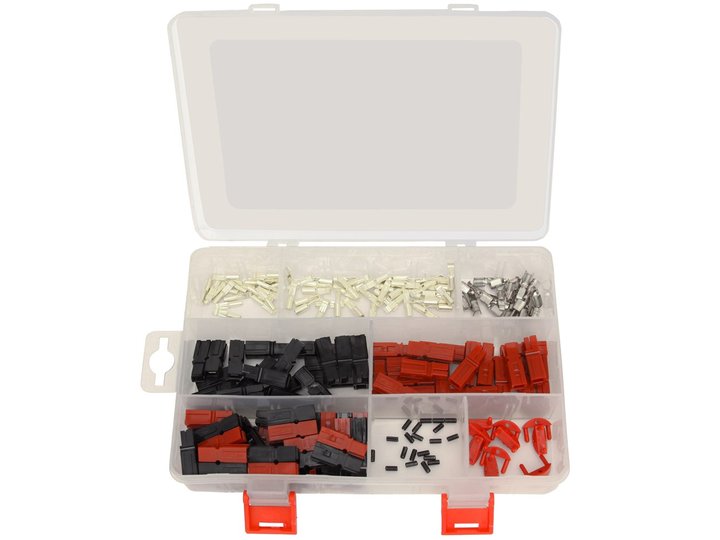
The DC connector the whole hobby standardised on, in a case of 150 housings and contacts: every radio, supply and battery in the shack ends up on the same plug.
Contents
150 pieces, 15/30/45 A contacts (listing)
Standard
Anderson Powerpole, ARES/RACES convention
Suits: Wiring a mobile radio to a power supply or a battery.
Weigh: You need a crimper for the contacts; pliers work in a pinch and look it. Specs are the listing's; Powerwerx's site blocks readers.
Buy the radio before the licence, transmit after it
Nothing stops you owning a ham radio or listening on it without a licence; transmitting is what the licence covers. The Technician exam is 35 questions from a published pool, the application fee is $35, and remote sessions run most weeks. Order the radio, program the local repeaters with CHIRP, listen for a fortnight, and you will pass the exam knowing what the questions are about. How the licence works.
The one rule that catches beginners: a cheap dual-band handheld tunes far beyond the ham bands, and the FCC's 2018 enforcement advisory on exactly those radios is still in force. Transmit only on the two ham bands until you understand why.